Is Annapolis Downsizing Real Estate Right for You?
April 2, 2026
April 2, 2026
Thinking about simplifying your housing costs without giving up lifestyle, or finding a second home that feels easy to enjoy? Annapolis stands out because it offers a compact waterfront setting, a historic downtown, and housing options that can fit a lower-maintenance goal. If you are weighing a move from a larger suburban home or exploring a lock-and-leave property, this guide will help you understand what makes Annapolis appealing, where the tradeoffs are, and what to look for before you buy. Let’s dive in.
Annapolis is more than a weekend destination. According to the City of Annapolis, it is Maryland’s state capital, the county seat of Anne Arundel County, and a small residential city with about 40,689 residents on just 7.21 square miles.
That smaller footprint is part of the appeal if you want less house and more access to daily experiences. The same city profile notes a 62.0% owner-occupied housing rate and that 20.4% of residents are age 65 and over, which helps explain why Annapolis often lands on the radar for later-life movers and seasonal owners.
You also get strong regional access. Annapolis connects to the broader area by U.S. 50/301, MD 2, and I-97, so for many buyers it works as a lifestyle move that still keeps you tied to Central Maryland and beyond.
If you are leaving a larger home, Annapolis can offer a different kind of convenience. Instead of prioritizing yard size and square footage, many buyers focus on walkability, smaller footprints, and proximity to the waterfront.
That shift can be meaningful if your goal is to reduce upkeep. In Annapolis, attached homes, condos, and townhomes are part of the market mix, which can open up options that feel more manageable than a traditional suburban house.
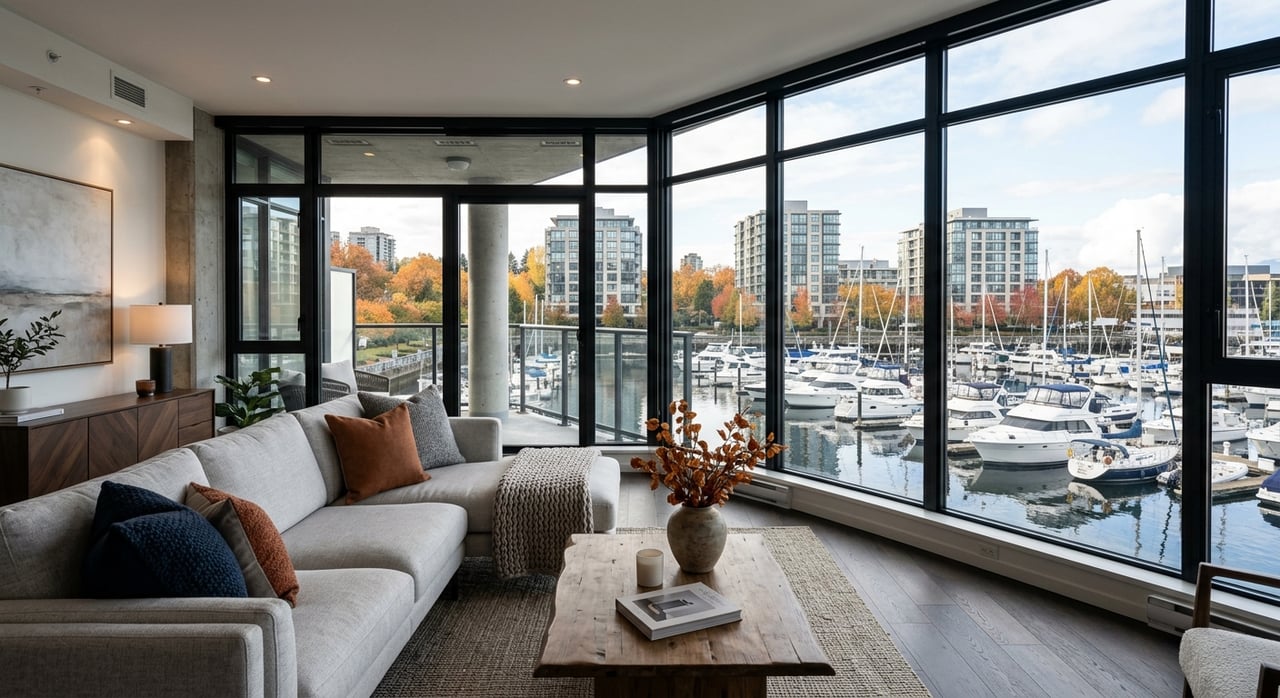
Another plus is the setting itself. You are not downsizing into a place with less to do. You are often trading private space for easier access to marinas, waterfront dining, downtown streets, and the kind of daily scenery that makes the home feel like a destination.
For many second-home buyers, Annapolis checks several key boxes at once. It offers water access, a strong sense of place, and housing choices that can support a more lock-and-leave lifestyle.
The waterfront is a major part of that draw. The City says the Harbormaster manages public and private moorings, 1,700 feet of bulkhead, 20 slips at City Dock, and more than 17 miles of shoreline, reinforcing how central boating and harbor access are to everyday life in Annapolis. You can learn more through the City’s overview of harbor operations and waterfront access.
The city’s tourism resources add more context. City Dock is described as the historic heart of Annapolis, where you can watch boats move through Ego Alley, enjoy waterfront restaurants, and explore nearby landmarks on foot.
If you want a second home that feels active instead of isolated, that matters. Annapolis offers the feeling of a getaway while still functioning as a real city with year-round energy.
The waterfront identity here is not just visual. It shapes how you spend your time. Annapolis has long been known for boating culture, and Visit Annapolis notes the city’s connection to major sailboat shows and waterfront activity.
That can be a real advantage if your ideal second home includes easy access to the water without committing to a large property. You may find that the lifestyle value comes from being near marinas, docks, and walkable destinations rather than from having a large lot to maintain.
The city has also protected its working waterfront. Annapolis says it created maritime zoning districts to support boatyards, marinas, slips, service uses, public access, and waterfront views, which helps explain why the harbor still feels active and authentic instead of purely residential. You can review that local context in the City’s page on maritime industry and zoning support.
Downtown and Eastport are often the first places buyers explore when they want lower-maintenance living near the water. These areas combine compact housing patterns with strong access to the harbor, restaurants, marinas, and waterfront streets.
Eastport, in particular, offers a distinct setting. Visit Annapolis describes Eastport as a short water-taxi ride or walk from City Dock, with kayak access, dockside dining, street-end parks, and a maritime feel.
The street layout also matters. Local planning materials note that the downtown and Eastport grid developed around access to the water, and that parts of Eastport include historic homes on narrow lots. For a downsizer, that can mean less exterior space to maintain. For a second-home buyer, it can mean a more compact, close-in lifestyle.
The charm of Annapolis is real, but so are the ownership details. The city’s Historic District is mapped block by block, and property types and zoning can vary even within the same general downtown area. You can see how those blocks are organized on the City’s Historic District streets and zones map.
If you are buying in the Historic District, exterior changes require more planning. The City states that all exterior projects in the Historic District need a certificate of approval, even when a building permit is not otherwise required. The Historic Preservation Division also oversees exterior review and historic-preservation tax credits, which you can review on the City’s permit information page.
This does not mean you should avoid historic properties. It means you should go in with clear expectations. If your goal is easy ownership, ask early about what has been updated, what approvals may be needed for future work, and how much exterior flexibility matters to you.
Flood risk is one of the biggest practical issues to understand before you buy in Annapolis. The City says the area is susceptible to nuisance flooding, especially from March through September, and identifies downtown City Dock and Eastport among the lowest-lying areas. The City also notes that flood losses are not covered by standard homeowners insurance and encourages residents to consider flood insurance through its flood information resources.
For downsizers and second-home buyers, this is not a small detail. A compact home may be easier to maintain, but location-specific flood exposure can still affect insurance, planning, and peace of mind.
The good news is that this is knowable upfront. Before you buy, you can review flood-related questions carefully, look at the property’s setting, and understand how the home fits into the larger waterfront environment. The City Dock Resiliency Project also shows how seriously the city is addressing recurrent flooding along the historic waterfront.
If you are coming from Howard County or Montgomery County, Annapolis may feel different in value, even when pricing looks familiar on paper. According to Redfin’s Annapolis housing market data, the median sale price was $595,000 in February 2026, with homes selling in about 37 days on average and receiving about two offers on average.
That places Annapolis in a similar broad price range to nearby suburban markets, but not with the same housing product. Redfin’s Howard County market page reported a $540,000 median sale price and 36 days on market, while the research provided for Montgomery County showed a $592,500 median sale price and 49 days on market.
The bigger difference may be price per square foot and the kind of home you get. Annapolis was reported at $306 per square foot, compared with $258 in Howard County and $301 in Montgomery County. In practical terms, you may pay a bit more for less space, but that space is often tied to walkability, water access, and a denser in-town setting.
Annapolis can be a strong match if you want your next home to support a different lifestyle instead of simply reducing square footage. It tends to fit buyers who value location, waterfront access, and compact living more than a large yard or suburban layout.
For downsizers, the question is often whether your daily life would improve with less maintenance and more convenience. For second-home buyers, the key question is whether you want a place that feels vibrant and connected rather than remote.
The tradeoff is that the most appealing parts of Annapolis can also require more diligence. Historic review, flood planning, and block-by-block differences matter here more than they might in a newer suburban community.
If you are considering a move from Howard County or another Central Maryland market, having a trusted guide can make that transition much easier. The Guzzone Group of Compass brings a relationship-first, full-service approach to helping buyers make smart lifestyle moves with clarity and confidence.
Stay up to date on the latest real estate trends.


We embrace people of all walks of life, always approaching new clients and different circumstances with empathy and compassion.