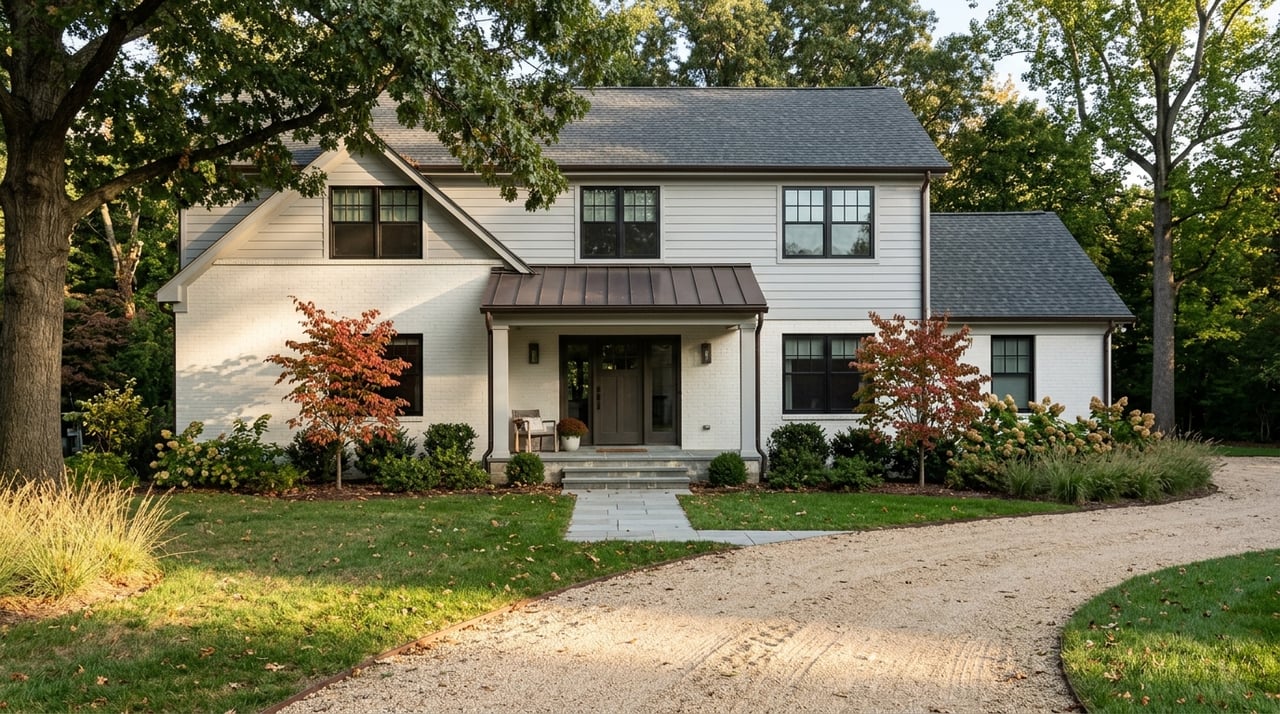
How to Sell an Acreage Home in Glenwood, Maryland
July 9, 2026
July 9, 2026
Wondering how to sell a home on land in Glenwood without leaving money on the table? If your property includes acreage, outbuildings, a private well, septic, or possible land-use restrictions, you are not selling just a house. You are selling a full property story, and buyers will want clear answers before they make a strong offer. This guide walks you through what matters most so you can prepare wisely and bring your Glenwood property to market with confidence. Let’s dive in.
In Glenwood, the land often carries as much value and decision-making weight as the home itself. Howard County planning materials place this area in the Rural West and Middle District context, where low-density rural residential development is common and acreage, access, and permitted uses can strongly shape buyer interest.
In Howard County RR zoning, one single-family detached dwelling per lot is allowed, along with farming, conservation areas, and certain rural accessory uses such as stables. That means buyers may look beyond finishes and floor plans and focus on how the land can be used, what restrictions apply, and how the property fits their goals.
Before pricing, photography, or listing copy, gather the documents that explain the property clearly. A land-heavy listing becomes easier to market when you can answer buyer questions with records instead of guesswork.
Key documents often include:
Howard County’s data tools include property boundaries, zoning, flood zones, elevation certificates, aerial photography, and easement layers. These tools can help confirm how the property is laid out and support accurate marketing.
Some Glenwood properties are affected by agricultural preservation easements or other recorded restrictions. If that applies to your parcel, the easement may limit uses beyond the underlying zoning.
Howard County guidance notes that some uses on preserved land may require approval from the Agricultural Land Preservation Board. If the easement is held by the state, there may be additional limits. This is one of the most important details to clarify before your home goes live, especially if buyers may ask about future structures, land division, or expanded use.
For rural properties, buyers almost always ask about water and septic systems early in the process. Having current, organized information helps reduce uncertainty and keeps your transaction moving.
Maryland states that owners of private wells are responsible for well safety and should sample the water at least annually, and again if the water changes in odor, taste, or appearance. Howard County’s Well & Septic Program keeps residential property files from about 1985 to the present and handles well and septic inspections and repairs.
For septic systems, Maryland requires the person completing a property-transfer inspection to be licensed by the Department. The inspection form must also be completed and retained for five years. Because of that, septic diligence should be treated as a real planning item, not a last-minute task.
On a larger parcel, not every part of the land may be equally usable. Buyers may want to know whether floodplain, stream buffers, wetlands, or conservation areas affect outdoor use, additions, or future plans.
Howard County’s mapping tools can help identify flood zones and related site information. The county’s digital flood-insurance map was last updated on April 1, 2026, which makes it a useful source when preparing your property for market and answering buyer questions.
It can be tempting to market acreage with language about future build potential or subdivision opportunities. In Glenwood, that should be handled carefully and only when supported by local review and documentation.
Howard County’s minor subdivision process shows why. Minor subdivision work requires a Maryland-registered land surveyor or engineer, and supplemental items may include a soils map, forest stand delineation, forest conservation plan, and wetland analysis.
If a private sewage system is proposed, the Health Department must perform percolation testing. If the property is in the metropolitan district, lots generally must connect to public water and sewer. In other words, possible does not always mean simple, fast, or guaranteed.
A standard suburban listing can often be prepared fairly quickly. A home on land in Glenwood usually benefits from a longer runway.
Several months of lead time can be helpful for records review, inspections, cleanup, repairs, and marketing preparation. If the acreage itself is part of the value story, that extra time can make a major difference in how confidently the property is presented.
Howard County land-development materials also show that when new lots or formal approvals are involved, the process can include environmental concept plans, forest conservation, wetlands, streams, floodplain review, easements, and landscaping. That is another reason to separate verified facts from future possibilities.
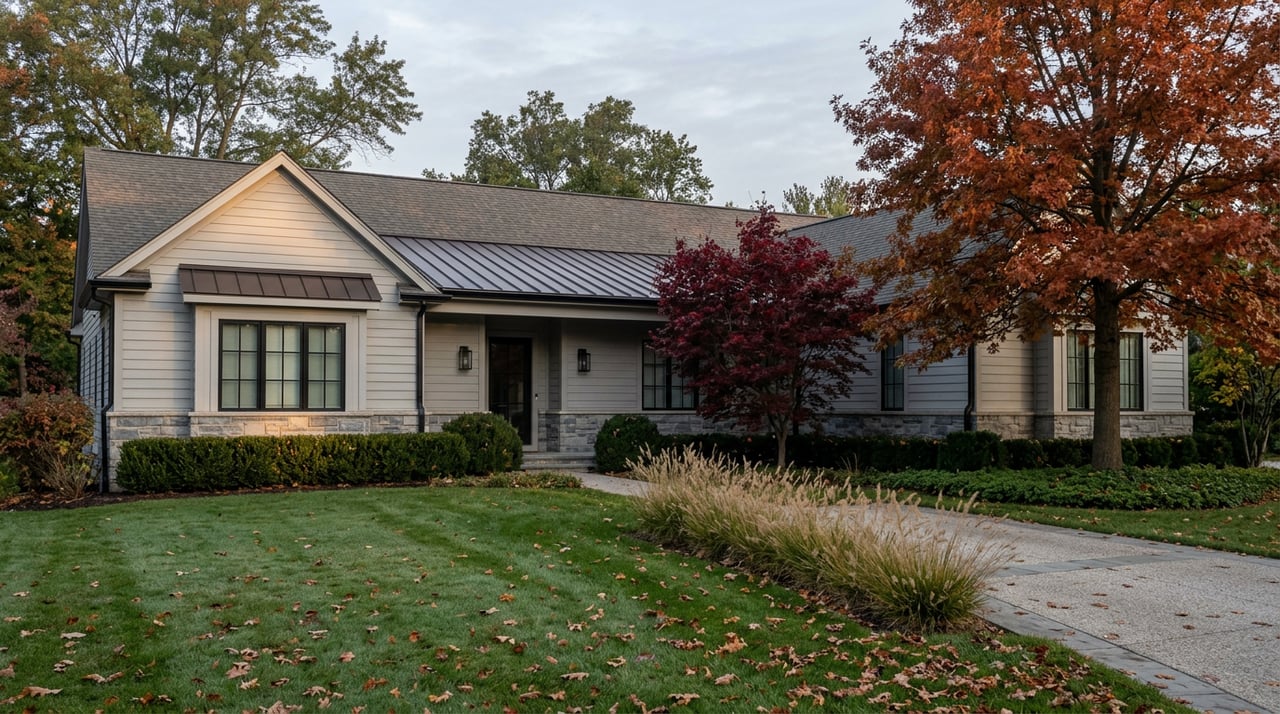
When your property includes more land, buyers begin forming opinions before they ever step inside. The driveway, approach, lawn areas, tree lines, patios, fencing, and outbuildings all contribute to the first impression.
National Association of Realtors data from 2025 found that 29% of agents said staging increased the dollar value offered by 1% to 10%, and 49% said staging reduced time on market. The same report found that the most common seller improvements were decluttering, cleaning, and improving curb appeal.
For a Glenwood property, curb appeal should extend beyond the front door. It should include the parts of the site that help buyers understand the lifestyle and function of the land.
On larger lots, outdoor presentation matters just as much as interior styling. Clear pathways, trimmed landscaping, organized sheds or barns, cleaned patios, and mowed open areas can help buyers see usable space more easily.
If you have outdoor amenities or flexible land areas, presentation should help define them. A buyer should be able to understand where the home life happens and where the land value begins.
A Glenwood listing needs more than beautiful interior photos. It needs marketing that shows scale, layout, privacy, access, and site features quickly and clearly.
Aerial and drone photography can be especially useful for land-heavy properties. NAR reports that drone marketing can show the landscape, outdoor features, location, roof, yard, and surrounding views, and that 52% of REALTORS use drone photography or video.
For buyers who begin their search online, this visual clarity matters. Historic and current aerial photography from Howard County can also help verify the site layout so the property is presented accurately.
In Maryland, sellers of single-family residential real property must deliver either a disclosure statement or a disclaimer statement on the state form before the contract is signed. The disclosure form covers topics that can be especially important in Glenwood, including water and sewer systems, land-use matters, and hazardous materials.
Even when a seller uses the disclaimer form, latent defects that are actually known and threaten health or safety still must be disclosed. Maryland regulations also state that the seller’s agent should obtain the form at listing and provide it promptly when an offer is expected.
This is another reason early preparation matters. The more organized your records and knowledge are from the start, the smoother these conversations tend to go.
If you are selling a home on land in Glenwood, expect buyers to focus on practical use as much as appearance. They are often trying to understand the property’s limits, not just its charm.
Common buyer questions include:
The best listing strategy answers these questions before they become objections. Clear records, accurate marketing, and thoughtful preparation can help buyers feel comfortable moving forward.
Selling a home on land in Glenwood is often about reducing uncertainty. Buyers tend to respond well when the property is not only attractive, but also well-documented and easy to understand.
That means your strategy should combine property preparation, record gathering, staging, and strong visual marketing. It should also present the land honestly, with careful attention to zoning, easements, well and septic documentation, and any site constraints.
When you take that approach, you give buyers a clearer picture of what they are buying and why it is valuable. That can support stronger interest, better expectations, and a smoother path from listing to closing.
If you are thinking about selling a home on land in Glenwood, a thoughtful plan can make the process feel much more manageable. The team at The Guzzone Group of Compass offers relationship-first guidance, staging support, concierge-style pre-sale coordination, and polished marketing to help you prepare your property and present it with confidence.
Stay up to date on the latest real estate trends.


We embrace people of all walks of life, always approaching new clients and different circumstances with empathy and compassion.