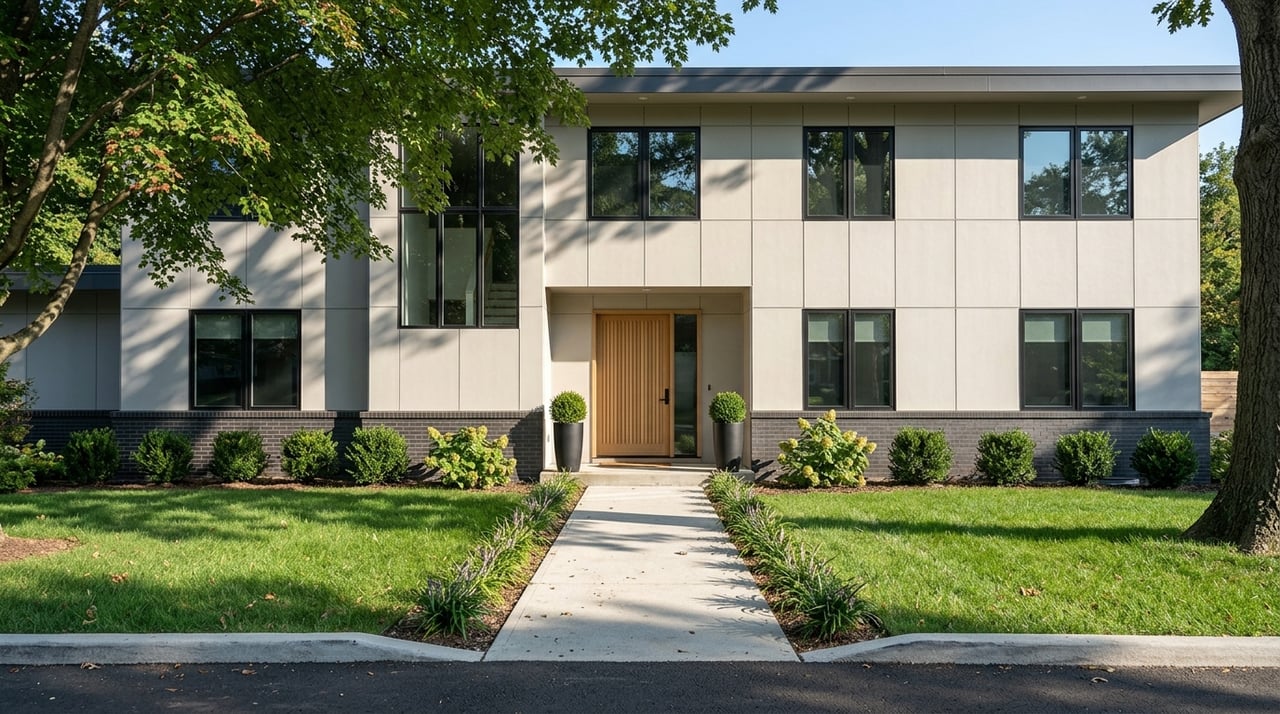
How to Sell Your Columbia, MD Home Step by Step
June 11, 2026
June 11, 2026
Selling your Columbia home can feel simple on the surface, but the details matter fast. Between pricing, prep work, association documents, disclosures, showings, and closing costs, it is easy to miss something that affects your timeline or your bottom line. This step-by-step guide will help you understand what to expect, what to do first, and where local Columbia and Howard County details come into play. Let’s dive in.
Before you make repairs or pick a list price, start with a clear plan. A strong listing consultation should cover your goals, your ideal timeline, recent comparable sales, and a realistic estimate of likely net proceeds.
In Columbia, this early stage is also the right time to identify any local obligations tied to the property. That can include Columbia Association annual charge questions, as well as HOA or condo paperwork that may affect timing, buyer disclosures, and closing costs.
Local 2026 data shows that homes in Howard County have still been moving at a healthy pace, but not every home sells the same way. In February 2026, the Howard County Association of REALTORS reported 182 closed sales, 283 active listings, a median sold price of $540,000, and 34 average days on market.
Another March 2026 report for Howard County showed a 100% sale-to-list ratio and 22 median days on market. At the Columbia level, reported metrics showed a $495,000 median listing price and 24 median days on market. The takeaway is simple: buyers are active, but pricing, presentation, and condition still matter.
Pricing is one of the most important decisions you will make. If you price too high, you may lose momentum early and sit longer than expected. If you price too low, you may leave money on the table.
A smart pricing strategy should be based on recent comparable sales, current competition, your home’s condition, and how buyers are likely to respond in today’s Columbia market. It should also account for your expected seller costs, so you have a clearer view of your likely net proceeds before you go live.
One of the most common seller questions is whether you need to renovate before listing. In many cases, the answer is no, at least not fully. Selective, visible improvements often make more sense than taking on a major remodel.
The prep phase is usually about making your home feel clean, cared for, and market-ready. The Guzzone Group’s seller approach includes guidance on which repairs are worth doing, staging consultation, photography planning, marketing preparation, and negotiation support.
For many Columbia sellers, the best pre-listing updates are practical and buyer-facing. Compass Concierge may help front the cost of certain home improvement services with no payment due until closing, subject to program terms.
Compass lists eligible services such as:
This is best viewed as a seller prep tool, not a full renovation program. The goal is to improve presentation and reduce friction before your home hits the market.
Once the prep work is done, staging and photography become the next priority. This is where your home starts to compete online and in person.
National staging data supports this step. In the 2025 Profile of Home Staging, 83% of buyers’ agents said staging made it easier for buyers to visualize a property as their future home, and 60% said it affected some buyers.
Most buyers will see your home online before they ever step inside. That means photos, layout flow, lighting, and visual cleanliness can shape interest before a showing is even scheduled.
In a market like Columbia, where days on market can still move quickly for well-positioned homes, strong presentation helps your listing stand out. It can also support better buyer feedback once showings begin.
A thoughtful listing launch is more than posting a home online and waiting. Compass describes a phased path that can begin with Private Exclusive, move into Coming Soon, and then roll into a full public launch on the MLS and third-party sites.
That kind of rollout can help you build interest while making sure the home is ready for the broadest exposure. The Guzzone Group’s full-service seller process also includes staging, photography, and marketing coordination, which can help keep every moving piece organized.
Once your home is live, the process shifts from planning to real-time response. Showings begin, buyers compare your home to others on the market, and feedback starts to reveal how your price and presentation are landing.
This stage works best when your showing schedule is managed well and your home stays easy to access and easy to show. Small adjustments, like refining timing, presentation, or pricing strategy, can matter if buyer response is slower than expected.
Buyer feedback often centers on a few consistent themes:
This is why the earlier prep stages matter so much. By the time showings start, condition, pricing, and presentation are all working together.
When offers come in, the highest price is not always the strongest offer. You will want to look at the full set of terms, including contingencies, financing, settlement timing, and how likely the buyer is to make it to closing.
This is where hands-on negotiation support can make a real difference. A well-managed offer review helps you compare options clearly and choose the path that best fits your financial goals and timeline.
Maryland requires sellers of most single-family homes with four or fewer units to provide either a Residential Property Disclosure Statement or a Residential Property Disclaimer Statement before the contract is signed. The state form covers a wide range of property conditions and systems.
These can include water and sewer, structural systems, plumbing, electrical, heating and air conditioning, wood-destroying insects, hazardous materials, smoke alarms, carbon monoxide alarms, and other known material defects. Maryland also states that this disclosure is not a substitute for an independent home inspection.
Waiting too long to gather disclosure information can create delays once a buyer is ready to move forward. If you prepare these forms early, you can reduce last-minute stress and avoid slowing down a good offer.
That is especially important if your home has shared ownership documents, community charges, or condo materials that take time to collect.
In Columbia, association paperwork can be one of the biggest timing issues in a sale. If your home is in an HOA or condominium, Maryland law sets disclosure timelines that sellers need to take seriously.
Maryland requires HOA resale disclosures at or before contract signing or within 20 calendar days of contract. Condo sellers must furnish resale certificate material not later than 15 days before closing. For townhomes, condos, and other common-ownership properties, early document gathering is one of the smartest things you can do.
Columbia has an added local layer that some sellers need to factor in. The Columbia Association says the annual charge is a required fee on CA-assessed land, and if a home is protected by CA covenants, the deed includes that charge.
CA states the current rate is 68 cents for every $100 of 50% of the state-assessed property value. This is one reason a seller’s early net sheet should reflect Columbia-specific property obligations, not just broad estimates.
After your home goes under contract, the focus shifts to inspections, any agreed repairs or credits, final settlement preparation, and deed recording. This stage can feel quieter from the outside, but there are still important deadlines to manage.
In Howard County, the Land Records office notes that deeds go through the Finance Department before the Clerk of Court records them. The same county source lists the county recordation tax at $2.50 per $500, the state transfer tax at 0.5%, and the county transfer tax at 1.25%.
By the closing stage, you should have a clear picture of your sale proceeds and expected costs. Those numbers may include transfer and recordation-related charges, association items, and any negotiated contract credits or repairs.
Howard County also notes that the original deed is usually received about a month after settlement. For most sellers, the most important step is making sure every local fee and required document has been identified early so closing feels predictable.
If you are relocating out of Maryland or already live out of state, ask about nonresident withholding before settlement. The Maryland Comptroller says withholding can apply to real property sales by nonresidents unless an exemption or reduced amount applies.
This does not affect every seller, but it is important to flag early if it may apply to your situation. That way, there are no surprises at the closing table.
In this market, many Columbia and Howard County sellers may see a three- to five-week pace on market based on 2026 local data, but your timeline can vary. Price point, property type, condition, competition, and association paperwork can all affect how quickly things move.
It also helps to think about the full selling timeline, not just days on market. Preparation, staging, photography, disclosures, showings, negotiation, inspections, and closing all add time, so the smoothest sales usually start with a plan before the home is listed.
Selling your Columbia, MD home is not just about putting a sign in the yard. It is a step-by-step process that blends pricing, preparation, presentation, paperwork, negotiation, and local knowledge.
When each phase is handled with care, the process feels more manageable and your home is better positioned to attract strong interest. If you want a calm, organized selling experience with guidance on prep, pricing, staging, and next steps, start with a complimentary home strategy call with The Guzzone Group of Compass.
Stay up to date on the latest real estate trends.


We embrace people of all walks of life, always approaching new clients and different circumstances with empathy and compassion.