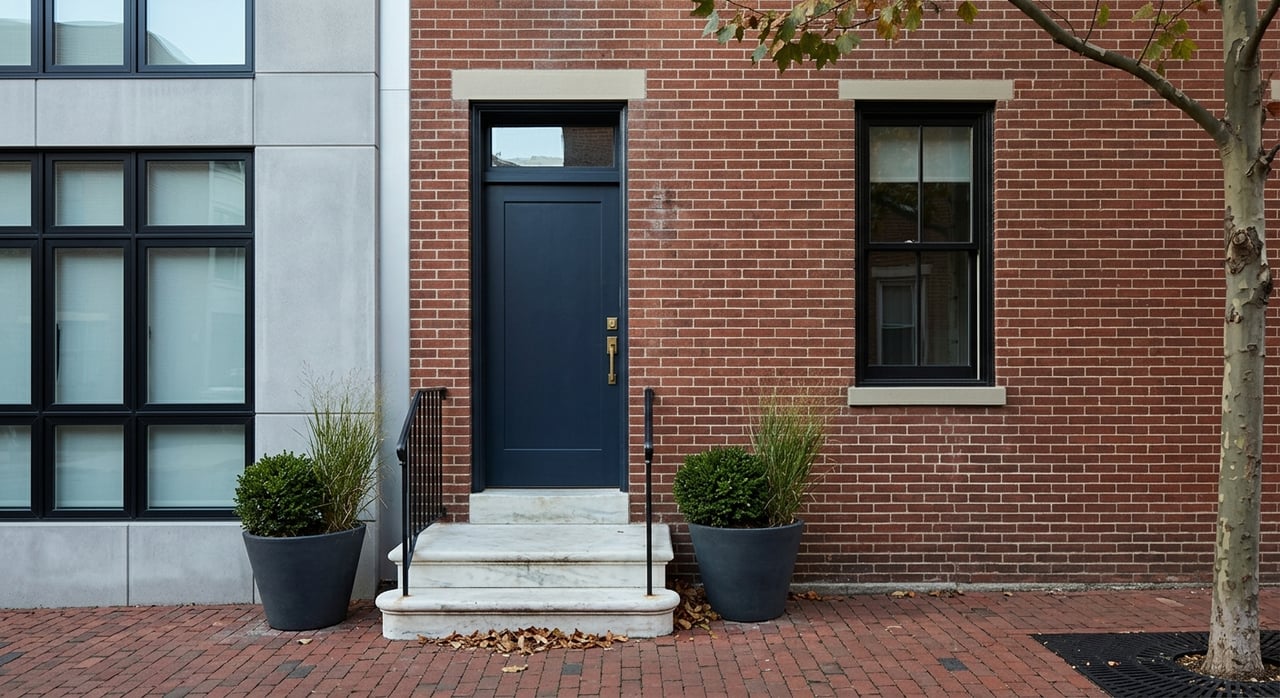
Considering A Rowhome Or Condo In Baltimore City?
May 7, 2026
May 7, 2026
If you are torn between a Baltimore rowhome and a condo, you are not alone. Many buyers love the city’s character and walkable lifestyle, but the right fit often comes down to how you want to live day to day, not just what looks best online. This guide will help you compare ownership, costs, maintenance, parking, and neighborhood patterns in Baltimore City so you can make a more confident decision. Let’s dive in.
Baltimore City remains relatively accessible compared with many major East Coast markets, but prices can vary a lot by neighborhood. Maryland REALTORS’ March 2026 data show a citywide median sale price of $250,000, an average sale price of $282,992, median days on market of 27, and 3.7 months of inventory.
That citywide number only tells part of the story. Live Baltimore’s 2025 neighborhood sales data show medians around $290,000 in Otterbein, $294,000 in Mount Vernon, $310,000 in Fells Point, $335,000 in Hampden, $355,000 in Federal Hill, $385,000 in Canton, $485,000 in Locust Point, and $495,000 in Harbor East. If you are choosing between a rowhome and a condo, your budget may go further in one neighborhood and one property type than another.
A Baltimore rowhome and a Baltimore condo can offer very different ownership experiences, even at similar price points. In simple terms, a rowhome often gives you more direct control over the property, while a condo often gives you more shared responsibility and shared costs.
For many buyers, the rowhome appeal is about character, space, and control. The condo appeal is often about lower day-to-day maintenance and a lock-and-leave lifestyle. Neither option is automatically better. The right choice depends on your budget, schedule, comfort with upkeep, and long-term plans.
Under Maryland’s common ownership guidance, condo ownership usually means you own the interior of your unit plus an undivided interest in the common elements. The council of unit owners handles the common elements, while you are generally responsible for maintenance, repair, and replacement within your unit.
That structure matters because your monthly cost is not just your mortgage, taxes, and insurance. You also pay assessments for common expenses and reserves, and those dues are usually paid directly to the association rather than through your mortgage servicer. Depending on the building, dues can range from a few hundred dollars a month to more than $1,000 per month.
Condo dues are not automatically a negative. In many cases, they support building operations, common-area upkeep, and reserve funding for future repairs. Still, they are a key part of affordability and should be reviewed carefully before you buy.
Maryland’s 2025 HB0292 requires reserve accounts and funding plans for common ownership communities. That makes it especially important to review the association budget, reserve study, and overall financial health. If you are considering a condo, this due diligence can help you better understand future costs and the risk of special assessments.
A rowhome usually gives you more direct say over finishes, systems, and exterior use, unless the property is part of a separate association structure. That can be a big plus if you want more independence or plan to personalize the home over time.
The tradeoff is that more control often means more direct responsibility. If a roof, mechanical system, masonry element, or exterior feature needs work, you are typically closer to that decision and expense. For buyers who want hands-on ownership, that can feel empowering. For buyers who want simpler upkeep, it may feel like too much.
When buyers compare rowhomes and condos in Baltimore, lifestyle often becomes the deciding factor. Your choice is not only about square footage or price. It is also about how much time and energy you want to spend managing the property.
A rowhome may be a strong fit if you want:
A condo may be a strong fit if you want:
In Baltimore City, parking is more than a convenience issue. It can shape how easy your daily routine feels. This is one reason two homes at similar prices can live very differently.
In Residential Permit Parking Program areas, restrictions generally run from 7 a.m. to 7 p.m. on weekdays. The Parking Authority requires photo ID, Maryland vehicle registration, and proof of residency or home ownership, and permits cost $20 each. A rowhome without off-street parking may feel very different from a condo building or neighborhood with structured parking, so it is smart to think through your real parking habits before you decide.
Baltimore City’s FY2026 real property tax rate is $2.248 per $100 of assessed value. The FY2026 adopted budget did not include increases to the City’s property or income tax.
If you plan to make the home your principal residence, the Homestead Tax Credit is an important factor to understand. Baltimore City says the credit limits annual assessment growth and is set at 4% in the city. The city also says it does not offer a specific first-time homebuyer tax incentive. If a property is used as a rental, it generally does not receive the homestead benefit, so your intended use matters.
For many buyers, the emotional pull of a Baltimore rowhome starts with the architecture. Baltimore has more than 30 local historic districts, and the city’s preservation materials highlight traditional rowhouse streetscapes in areas such as Otterbein and Barre Circle.
That charm can come with extra review requirements. CHAP reviews proposed alterations to designated historic resources, so if you are buying in a historic area and hope to make visible changes, it is wise to understand that process early. At the same time, Baltimore City Code provides a 10-year historic restoration and rehabilitation tax credit on the increased assessment attributable to qualifying work on eligible historic properties.
Neighborhood choice often shapes the rowhome-versus-condo decision as much as the property itself. Some areas offer a strong mix of both, while others lean more clearly toward condo living or rental-heavy housing patterns.
Canton includes traditional Baltimore rowhouses, large new-construction townhomes, waterfront condos, and apartment buildings. Live Baltimore reports a 68% own / 32% rent split and a $385,000 median sale price in the 2025 sales report.
If you want overlap between rowhome character and condo options, Canton is a useful example. It can appeal to buyers who want flexibility in housing type without giving up a strong ownership presence.
Hampden is described by Live Baltimore as a neighborhood of rowhomes and townhomes, with condos, detached homes, and apartment buildings also in the mix. The neighborhood shows 55% own / 45% rent, with a $335,000 median sale price.
For buyers who picture a more classic rowhome path but still want some condo choice, Hampden is a practical comparison point. It reflects a housing mix that can work for first-time buyers and owner-occupants looking for options.
Federal Hill includes luxury condos, historic brick rowhomes, new-construction townhomes, and apartments. Live Baltimore reports a 47% own / 53% rent split and a $355,000 median sale price.
This is one of the clearest examples of a neighborhood where historic charm and condo convenience exist side by side. If you are weighing architecture against easier upkeep, Federal Hill helps illustrate that tradeoff.
Otterbein offers rowhomes, townhomes, condos, and apartment buildings near the urban core. Live Baltimore reports 37% own / 63% rent and a $290,000 median sale price.
For buyers looking for a lower median price point among well-known central neighborhoods, Otterbein may be worth comparing. It can be especially helpful if you want to evaluate whether a rowhome or condo gets you more value at your target price.
Mount Vernon includes Victorian rowhomes, carriage houses, condos, apartments, and several high-rises. The neighborhood shows 15% own / 85% rent, with a $294,000 median sale price.
That housing mix makes Mount Vernon a strong example of a condo-friendly area. If you are leaning toward a building environment or a more compact ownership setup, this is one of the clearer places to study.
Fells Point is a historic waterfront neighborhood with condos, rowhomes, and apartment buildings. Live Baltimore reports 26% own / 74% rent and a $310,000 median sale price.
If you are drawn to waterfront living and a mix of housing styles, Fells Point is a good side-by-side comparison market. It can help you weigh whether the rowhome experience or condo convenience matters more for your routine.
Downtown includes condos, rowhomes, and apartment buildings, with 3% own / 97% rent and a $205,500 median sale price in the 2025 sales report. Inner Harbor is described as a high-rise condo and apartment environment with waterfront views, with 28% own / 72% rent and an estimated median home purchase price of $410,000.
These areas are useful if you are specifically drawn to a more building-oriented lifestyle. If your priorities include lower day-to-day exterior responsibility and an urban high-rise feel, they can help clarify whether condo living suits you better than rowhome ownership.
Before you decide on a rowhome or condo in Baltimore City, it helps to ask a few practical questions:
In Baltimore City, rowhomes and condos can both be smart choices. A rowhome often fits buyers who want character, control, and a more independent ownership experience. A condo often fits buyers who want convenience, shared maintenance, and a simpler lock-and-leave setup.
The key is to compare more than the listing photos. When you look closely at dues, maintenance expectations, parking, taxes, neighborhood housing patterns, and your own lifestyle, the right answer usually becomes much clearer.
If you want help sorting through Baltimore City options and deciding which property type best fits your goals, start with a complimentary home strategy call with The Guzzone Group of Compass.
Stay up to date on the latest real estate trends.
We embrace people of all walks of life, always approaching new clients and different circumstances with empathy and compassion.