Walkable Condo Living In Downtown Silver Spring
May 14, 2026
May 14, 2026
If you want a home where coffee, groceries, transit, dinner plans, and weekend events can all fit into a shorter daily routine, Downtown Silver Spring deserves a close look. For many buyers, condo living here is less about giving something up and more about gaining convenience, flexibility, and access. Below, you’ll get a practical look at what walkable condo living in Downtown Silver Spring really feels like, from transit and building types to amenities, pricing, and monthly costs. Let’s dive in.
Downtown Silver Spring works as a true mixed-use center, not just a cluster of buildings with sidewalks. Montgomery County says the district spans 26 acres and includes more than one million square feet of retail, office space, restaurants, and theaters, along with more than 260 employers and nearly 13,000 employees.
That concentration matters when you are choosing a condo lifestyle. Instead of planning your day around long drives, you may be able to handle errands, dining, entertainment, and commuting within a compact area. Visit Montgomery describes the district as pedestrian-friendly and highly walkable, with restaurants, stores, nightlife, and cultural activity close together.
Another reason the area feels active is its year-round programming. Downtown Silver Spring is described as a state-designated Arts and Entertainment District, and the county Urban District helps maintain the area while supporting events like a summer concert series, the Silver Spring Jazz Festival, and the Montgomery County Thanksgiving Parade.
For you as a buyer, this means walkability is not only about distance. It is also about having places to go and reasons to be out in the neighborhood throughout the year.
Transit is one of Downtown Silver Spring’s strongest advantages for condo buyers. WMATA says the Silver Spring station is on the Red Line and connected to the Paul S. Sarbanes Transit Center, placing Metrorail close to the center of downtown activity.
Montgomery County’s Transportation Management District says the transit center serves Metrorail, MARC rail, Metrobus, Ride On, taxis, and the free VanGo circulator. The county also notes that Silver Spring is the busiest station in the Metrorail system, with more than 24,000 weekday trips.
That range of options can make a real difference if you want flexibility in how you move around. Whether you commute regularly, head into nearby job centers, or simply prefer not to rely on a car for every trip, Downtown Silver Spring gives you several ways to get where you need to go.
WMATA also notes that the station has no parking, but it does offer bike racks, lockers, bikeshare, and Wi-Fi. MARC identifies Silver Spring as an ADA-accessible Brunswick Line stop, with ticketing inside the transit center near the westbound platform.
The transit story is strong today, but there is a near-term factor to keep in mind. Purple Line officials say the line is slated to open in late 2027 and connect Bethesda and Silver Spring with 21 stations.
WMATA says construction activity around the Silver Spring station is expected through 2026. If you are considering a condo close to the station, it is smart to weigh the long-term transit upside against possible short-term construction impacts in the surrounding area.
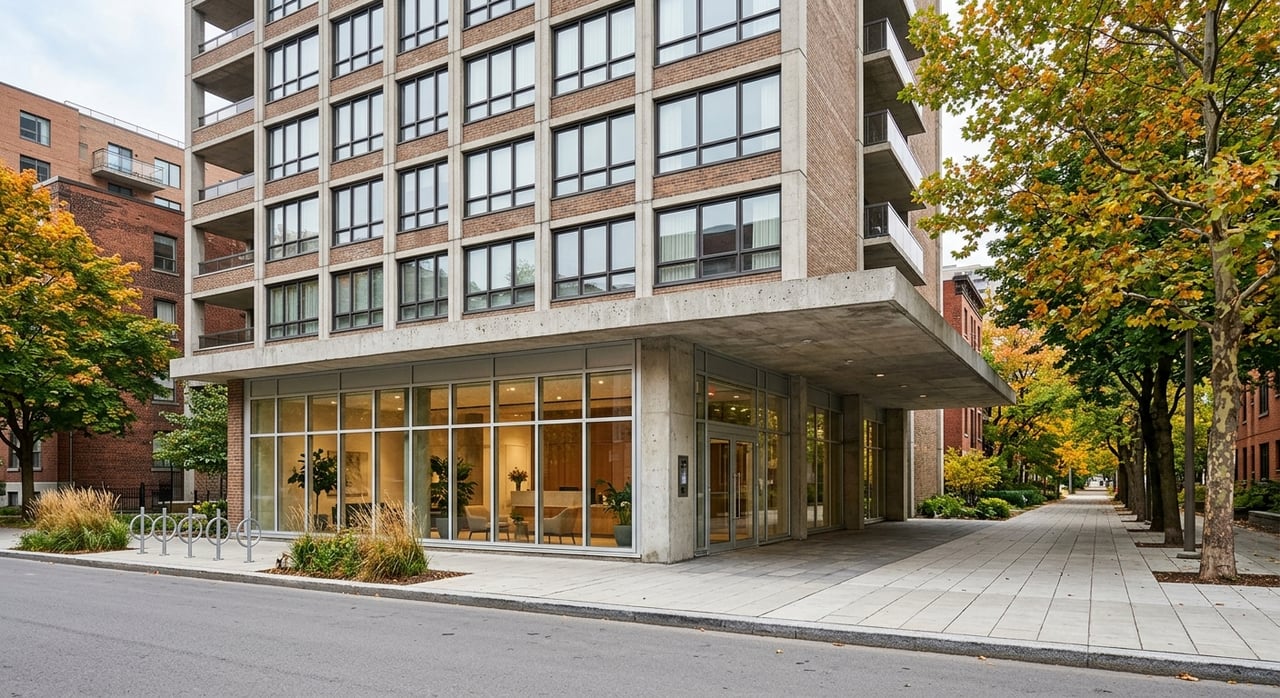
One of the most useful things to know about Downtown Silver Spring is that the condo inventory is not one-size-fits-all. The residential mix includes buildings such as MICA, Silverton, The Crescent, and 8045 at Silver Spring Metro, reflecting a blend of older high-rises, redeveloped properties, and newer infill communities.
The Maryland Historical Trust’s survey shows that downtown saw substantial high-rise apartment development in the 1960s and 1970s. Common features included brick exteriors, balconies, and modernist tower design. That means some buildings may offer a more classic mid-century feel, while others reflect later redevelopment and more contemporary layouts.
This variety can be a major plus when you start your search. In Downtown Silver Spring, condo living might mean a taller building with a city-facing feel, a converted commercial property with a distinct layout, or a lower-rise community with more of a garden-style character.
Because building styles differ, your day-to-day experience can differ too. Two condos with similar price points may feel very different based on layout, noise exposure, parking setup, amenity package, and overall building style.
That is why it helps to compare more than square footage and list price. As you tour options, pay attention to how the building supports the lifestyle you actually want.
Here are a few smart comparison points:
In Downtown Silver Spring, condo amenities often align with an urban, lower-maintenance lifestyle. Current examples in the market show features such as fitness centers, lounges, rooftop decks, shared outdoor patios, concierge service, bike storage, party rooms, secured entry, pools, and garage parking.
That pattern tells you something important. In this market, amenities are often less about private yards and more about convenience, social spaces, building services, and practical everyday support.
If that matches your priorities, condo living can feel especially efficient. You may trade lawn care and exterior upkeep for shared spaces that are easier to enjoy and simpler to maintain.
Depending on the building, you may come across amenities like:
Not every building offers every feature, of course. The key is to decide which amenities you will truly use and which ones may simply add to your monthly costs.
Downtown Silver Spring offers a fairly broad condo price range based on current listing data. Redfin shows 35 condos for sale in Downtown Silver Springs with a median listing price of $329,000, while Realtor.com reports a median home sale price of $337,450.
Current examples in the market help show the spread. Listings range from about $235,000 for a one-bedroom at 1320 Fenwick to around $440,000 for a two-bedroom at 8045 Newell, with several central units clustering between roughly $325,000 and $400,000.
For many buyers, that creates room to compare tradeoffs. You may find one option with a lower purchase price but fewer amenities, and another with a higher price point plus parking, newer finishes, or more shared spaces.
Monthly HOA fees are an important part of the condo decision. Current examples show fees in the several-hundred-dollar range, including $570 at 1320 Fenwick, $565 at 930 Wayne, and $662 at 8045 Newell.
That is why it is important to look beyond the list price alone. The better comparison is often your total monthly carrying cost, including mortgage, taxes, condo fees, parking costs if separate, and any other recurring expenses tied to the building.
A condo with a slightly higher fee may still offer strong value if it includes amenities or services you would otherwise pay for separately. On the other hand, a lower fee may come with fewer extras or different maintenance responsibilities.
Buyers often assume a walkable, transit-rich area will always feel rushed. But current data suggests Downtown Silver Spring is moving at a steadier pace than that assumption might suggest.
Redfin reports 66 days on market, while Realtor.com reports 93 days. Since those platforms use different methods, the exact number may vary, but both suggest a market where you may have time to compare buildings, fees, finishes, and location advantages more carefully.
That can be a real benefit if you want to make a thoughtful choice. In a condo market with a wide mix of building types, taking time to evaluate the total package can help you find a better long-term fit.
Downtown Silver Spring can appeal to several kinds of buyers, but the lifestyle tends to work especially well if you value convenience and want less day-to-day home upkeep. It may be a good fit if you want to be close to transit, prefer shared amenities over yard work, or enjoy having dining, entertainment, and events nearby.
It can also make sense if you are comparing a condo to a house and deciding what matters more in this stage of life. For some buyers, the tradeoff is simple: less private outdoor space in exchange for a more connected and lower-maintenance daily routine.
As with any condo purchase, the best match depends on your priorities. Building style, HOA structure, location within downtown, and commute patterns can all shape whether one property feels right and another does not.
A focused approach can help you sort through options more confidently. Since the area includes everything from older towers to newer communities, it helps to compare homes through the lens of daily living, not just finishes.
As you narrow your search, keep these questions in mind:
When you answer those questions early, it becomes easier to identify the condos that truly support your goals.
If you are weighing walkability, transit access, monthly costs, and building style in Downtown Silver Spring, having a local advisor can make the process feel much clearer. The team at The Guzzone Group of Compass offers thoughtful, relationship-first guidance to help you compare options and move forward with confidence.
Stay up to date on the latest real estate trends.



We embrace people of all walks of life, always approaching new clients and different circumstances with empathy and compassion.